Ghadar Archives Lookup
Showing 1-10 of 21
Vaishno Das Bagai’s Report on Ghadar Party Activities to the SF British Consulate - 25th January, 1916.
Hindu-German Conspiracy Trial – Harcharan Das Court Testimony.
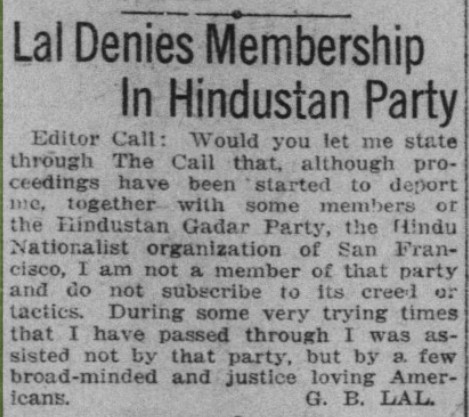
Lal Denies Membership In Hindustan Party
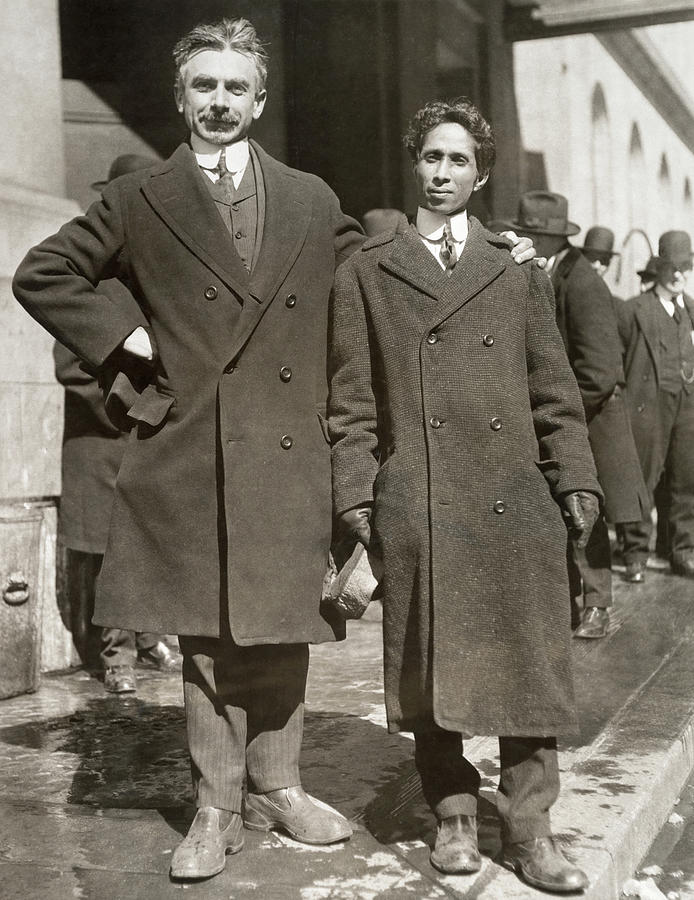
Select Testimonies of Hindu German Conspiracy Trials
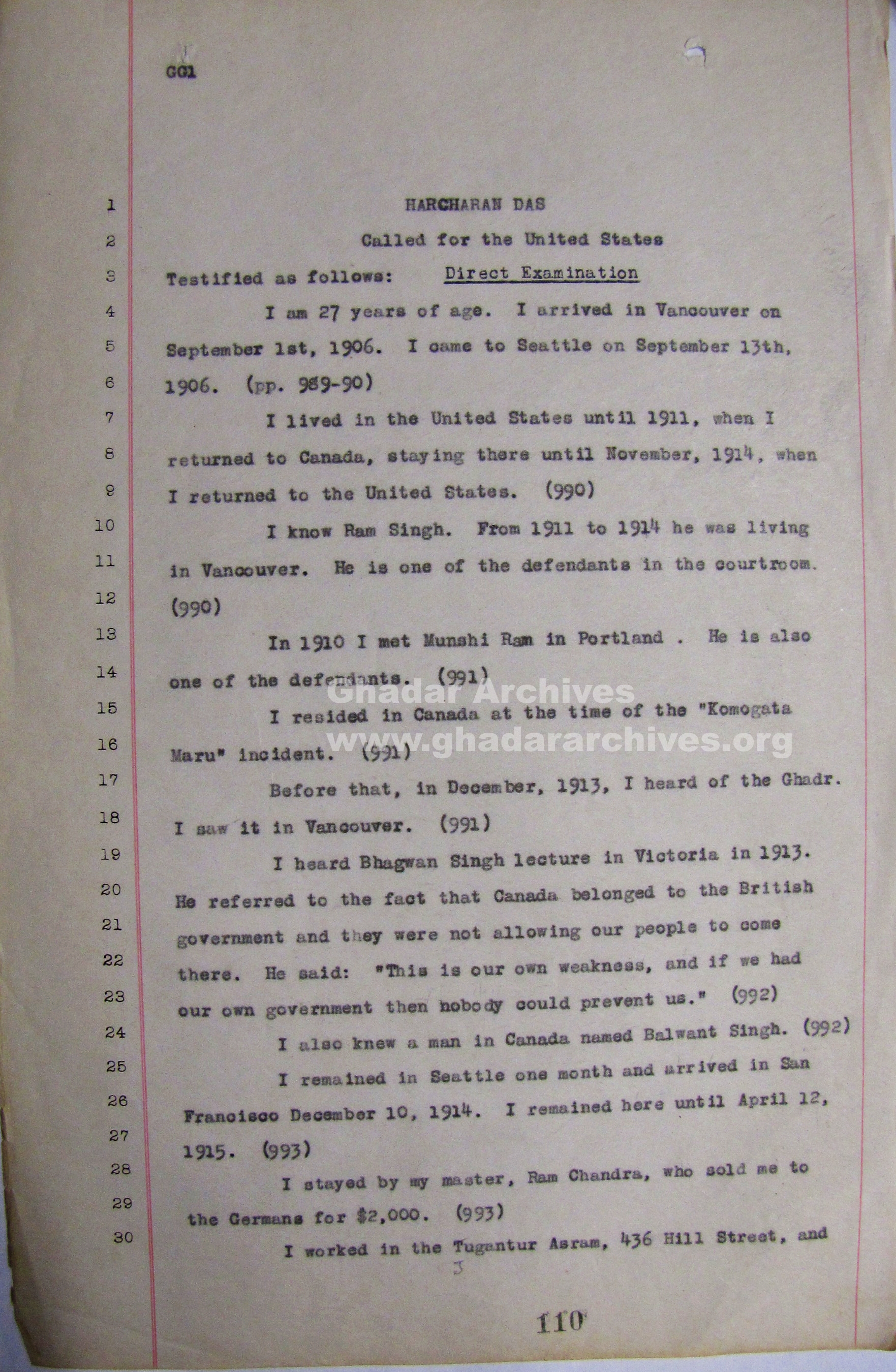
Hindu-German Conspiracy Trial – Harcharan Das Court Testimony
A letter from Hong Kong Police to Punjab Government.
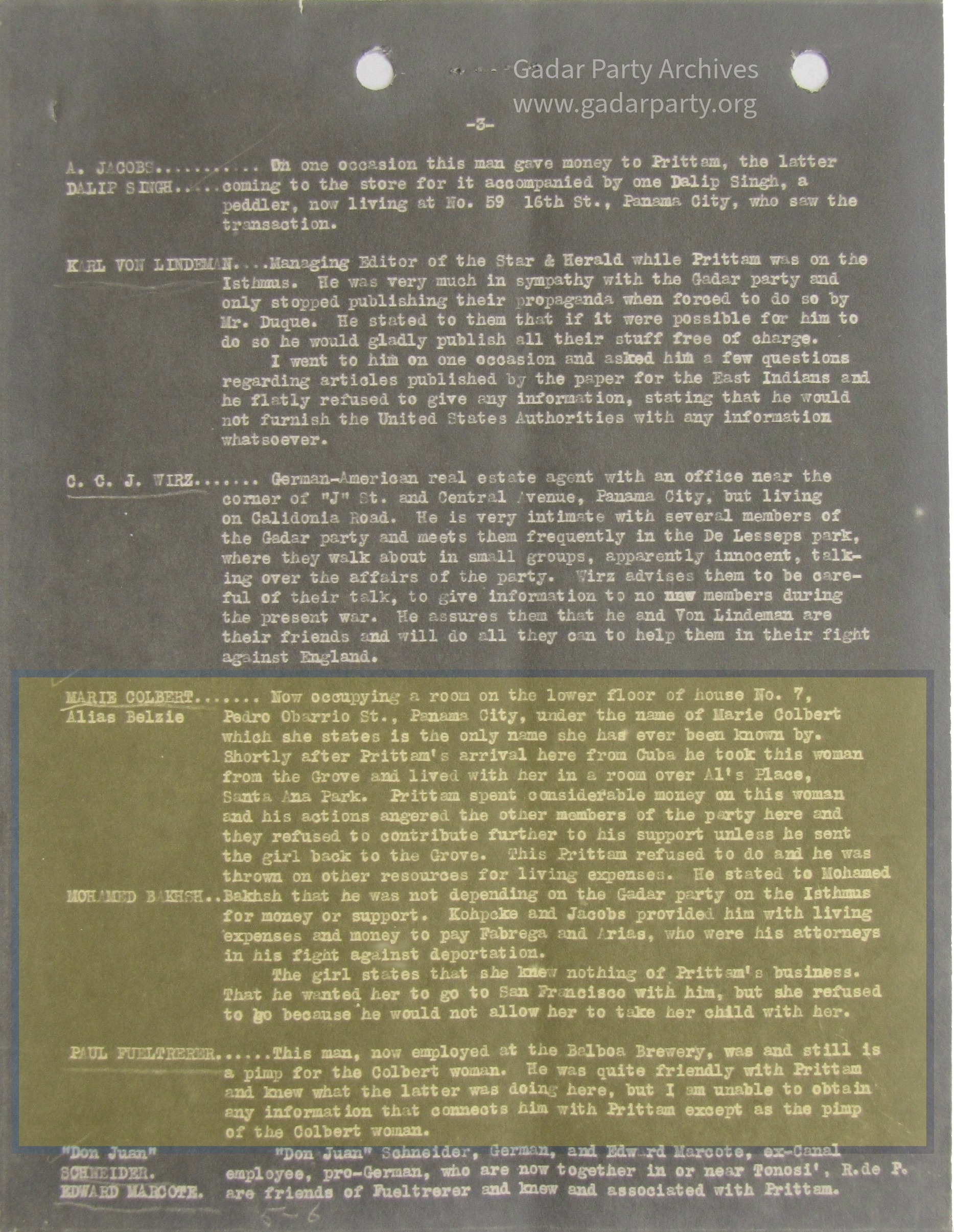
Newly surfaced intelligence reports expose a controversial chapter in Bhagwan Singh Gyanee’s life, detailing his undocumented entry into the U.S., his flight to Panama, and his diversion of Ghadar Party resources toward personal relationships and legal troubles. The evidence raises serious questions about his integrity and his betrayal of the workers who financed the Ghadar movement.
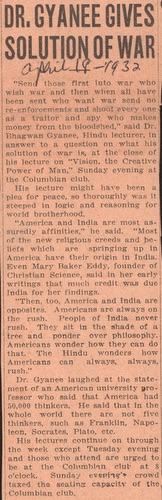
An April 1932 article from Bhagwan Singh Gyanee’s U.S. lecture tour shows him adopting a strong anti‑war stance, a sharp departure from his earlier Ghadar Party years when he promoted armed revolt and benefited from German support. His past actions—including posing with a sword in Japan to symbolize revolutionary violence—contrast sharply with his later pacifist rhetoric aimed at American audiences. The shift suggests that Bhagwan Singh adjusted his message to suit whoever he was speaking to, even when it meant contradicting the revolutionary ideals he once publicly embraced.
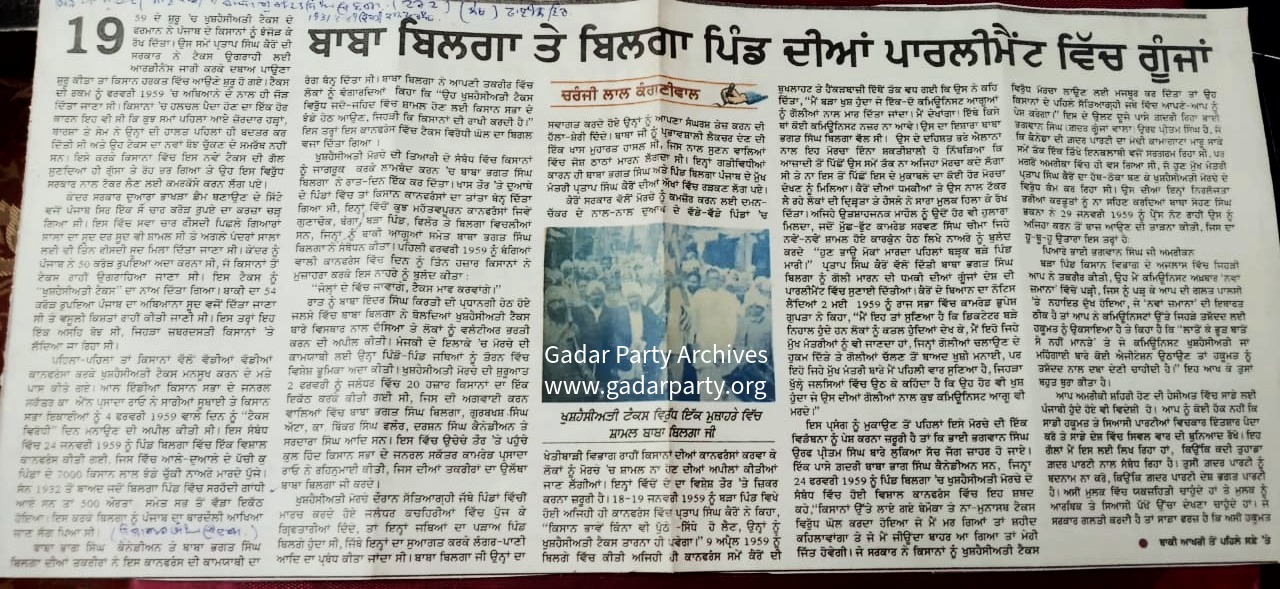
In 1958, Bhagwan Singh Gyanee returned to Punjab at the invitation of Chief Minister Partap Singh Kairon, who sought to use him to counter a major farmers’ uprising against the Betterment Levy tax. Instead of supporting the peasant movement—led in part by Ghadar Party founder Baba Sohan Singh Bhakna—Gyanee aligned himself with the state, urging force against protesters. His actions sharply contradicted the revolutionary ideals he once represented, prompting Bhakna to issue a public rebuke condemning Gyanee’s interference in Indian politics and warning him not to tarnish the Ghadar Party’s legacy.
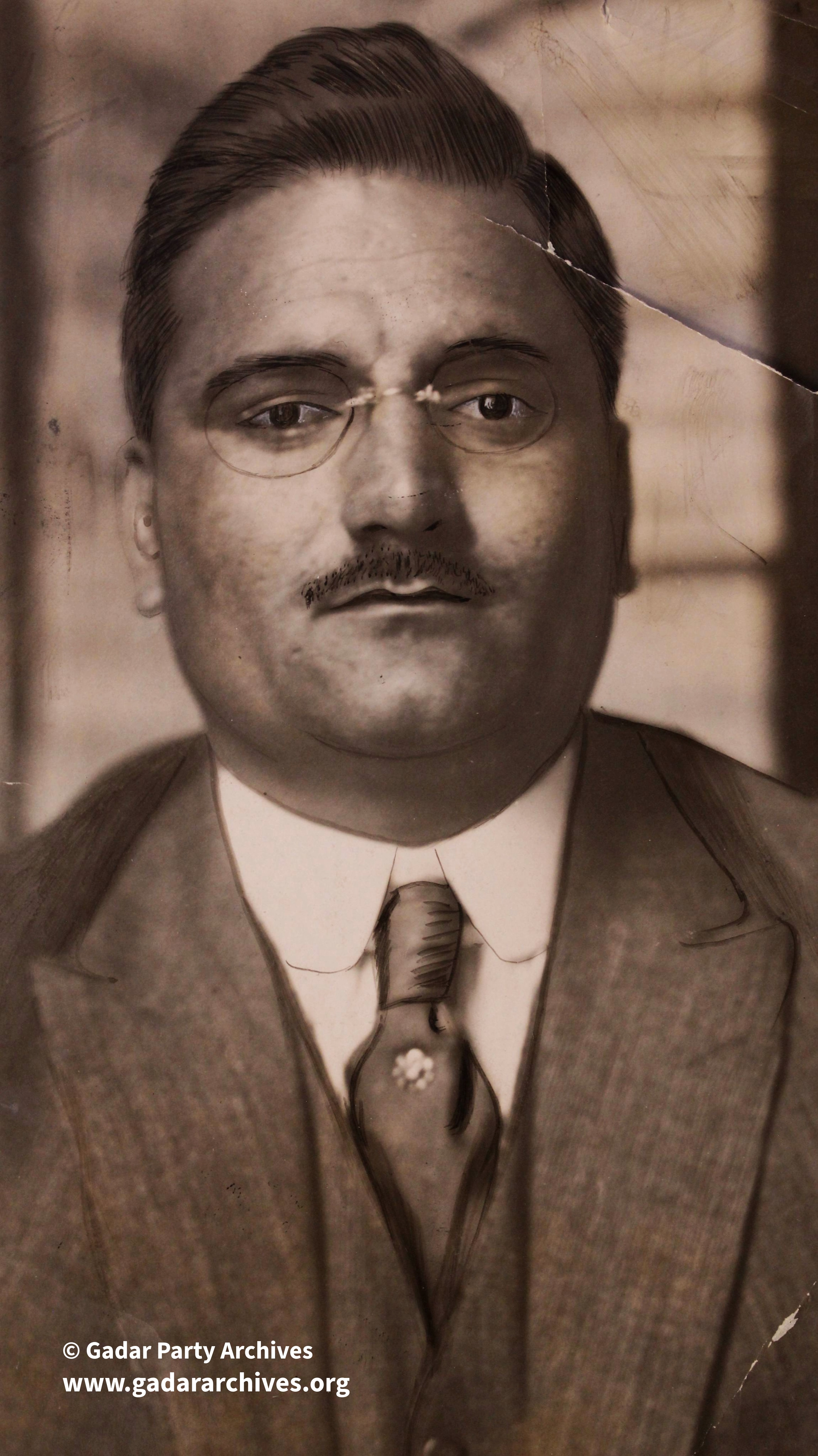
Bhagwan Singh Pritam’s trajectory from revolutionary leadership within the Ghadar Party to his later reinvention as ‘Yogi Bhagwan’ illustrates a complex and controversial shift—from militant anti‑colonial activism to the promotion of yogic self‑culture and spiritual instruction.